

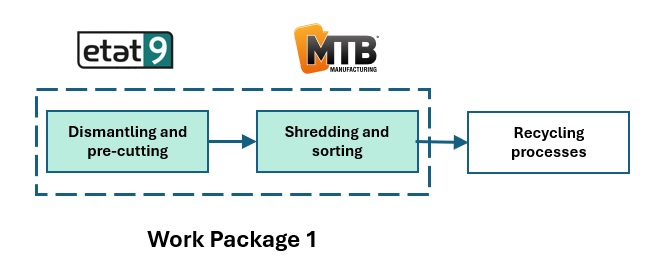
 The REFRESH project is developing recycling technologies for the glass fibre composite materials derived from wind turbine blades. But prior to recycling the large blades need to be dismantled, cut into smaller parts, downsized further in a shredding process and then sorted to separate the composites from the other blade materials. This is task for Work Package 1: Design of portable dismantling, shredding and sorting technologies.
The objective of Work Package 1 is to develop improved cutting, shredding and sorting technologies to enable higher levels of recovery of high-purity materials from turbine blades.
Blade materials
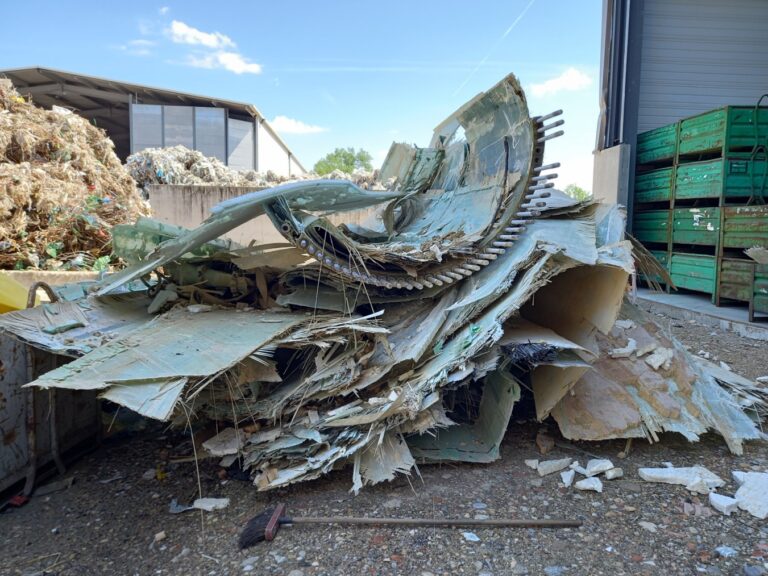
Etat 9 provides MTB Manufacturing with cut blades. (Picture © MTB Manufacturing.)
The design of a wind turbine blade and its materials composition is dependent on the blade manufacturer. However, fibre reinforced polymers – or composite materials – account for most of a blade’s material composition (by weight). These composite materials combine reinforcement fibres with a polymer matrix. Glass fibre reinforced composites are the primary material used in wind blades. Carbon fibre composites are used to a lesser degree, typically for the spar. The polymer matrix is typically a thermoset resin such as epoxy or polyester.
The blades also contain other materials. A core material is used in composite sandwich structures found in the blade. Core materials include balsa wood and foams such as polyvinyl chloride (PVC) and polyethylene terephthalate (PET). Structural adhesives, coatings, and metal wiring and bolts can also be present.
Solutions for materials recovery
MTB Manufacturing is the leader of Work Package 1, collaborating with partners Etat 9, Gees Recycling, Enecolab, Acciona, Tecnalia and RINA. MTB’s mission is to test and develop the best solutions for materials recovery from wind blades.
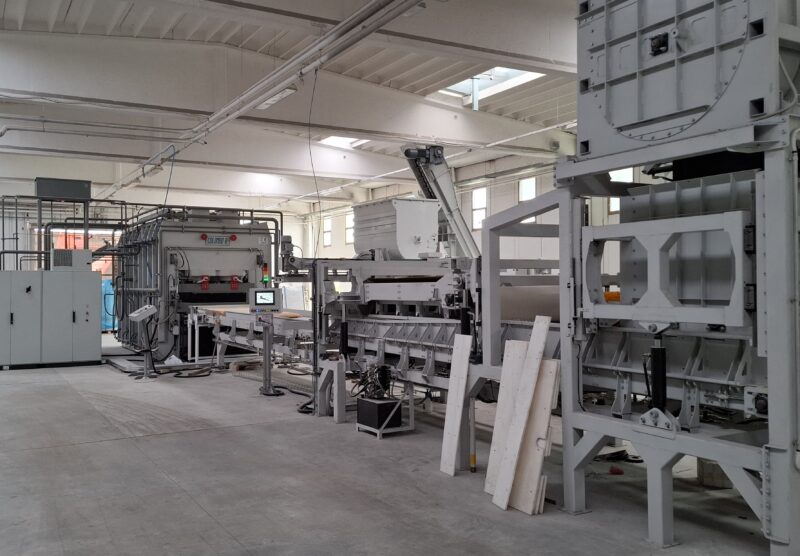
MTB Manufacturing designs and manufactures equipment for the recycling industry. It specialises in dry mechanical methods of sorting, so no water or chemicals are used. In its industrial scale Test Centre, MTB is using its technologies to shred and sort wind blades. Etat 9 is providing MTB with cut wind blades that MTB feeds into its shear shredder. The shredded pieces are then downsized further before being transferred to the sorting process.
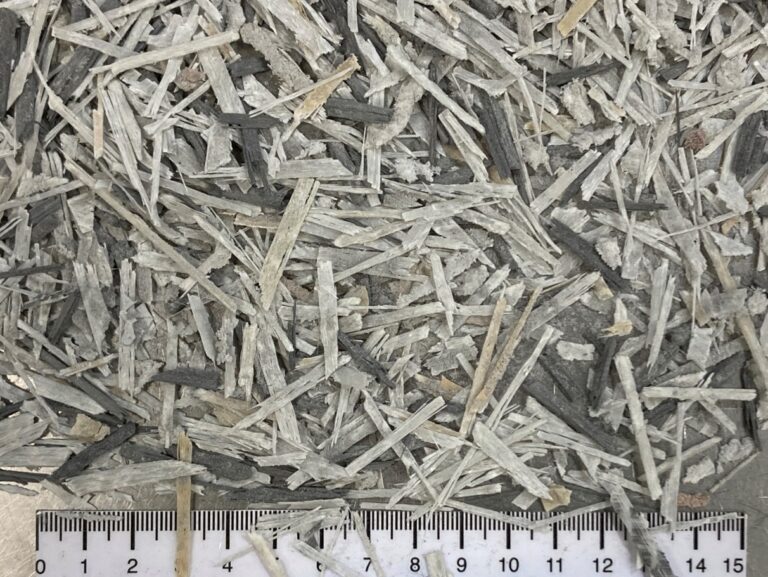
Shredded and sorted blade materials. (Picture © MTB Manufacturing.)
A typical blade contains:
- glass fibre composites (70-80%);
- carbon fibre composites (10-20%);
- balsa wood (5-10%);
- polymer foam (5-10%); and
- polymer adhesive (1-5%).
The outputs obtained in MTB’s sorting trials are very encouraging. MTB is able to concentrate the fibre glass composite fraction from 70% (input) to 87%, with 10% carbon fibre composite remaining.
The next steps of the project aim at testing new technologies to separate the glass fibre composite from carbon fibre composite. The downstream partners Gees Recycling, Gjenkraft, CIRCE, Tecnalia, Enecolab and Acciona are also working on solutions to valorise the outputs already obtained. The role of MTB is also to answer to the specifications they need to run their recycling processes.
Work Package 1 commenced in January 2023 and will conclude in June 2024.
REFRESH participates in WindEnergy Hamburg as member of Wind Innovation Cluster Hub
REFRESH at WindEnergy Hamburg 2026